Taylor Swift seeks trademarks to curb AI deepfakes
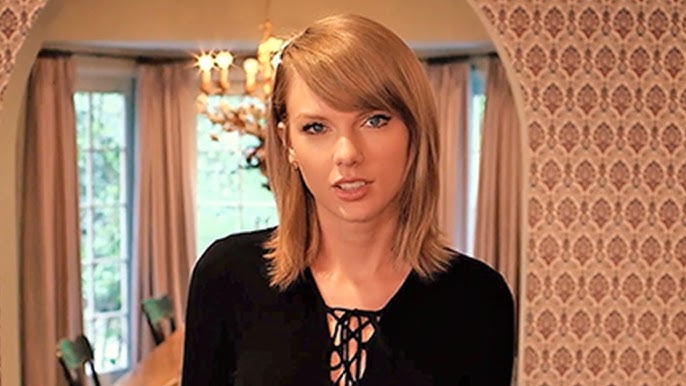
Taylor Swift has filed new trademark applications in the United States as part of an effort to stop artificial intelligence being used to mimic her voice and image, amid growing concern about deepfake content targeting public figures online. The move underlines how major artists are increasingly turning to intellectual property protections as AI-generated audio and video becomes more convincing and widely shared.
Ad Hoc News reported that Swift’s team submitted trademark filings to the US Patent and Trademark Office aimed at protecting recordings of her voice and imagery linked to her Eras Tour, including a photo, in an attempt to deter commercial misuse and curb the spread of realistic AI-generated fakes.
The report describes the filings as part of a broader push by celebrities to limit the distribution of misleading or harmful content, noting that trademarks for sounds and images can be pursued when they are distinctive. It also points to recent high-profile incidents involving AI-generated material, with concerns that deepfakes can be used for false endorsements, misinformation or other unauthorised uses.
Swift’s efforts to protect her brand come as her public profile remains intense, with recent attention on security and privacy around her appearances, including when a reported Taylor Swift visit triggered a phone ban at Casa Cipriani.
The trademark applications do not in themselves eliminate deepfake content, but they could strengthen Swift’s ability to challenge uses that are commercial or misleading, particularly where her voice or likeness is used to market products or services. The filings are likely to add momentum to wider calls for clearer legal frameworks around AI-generated replicas of performers and other public figures.