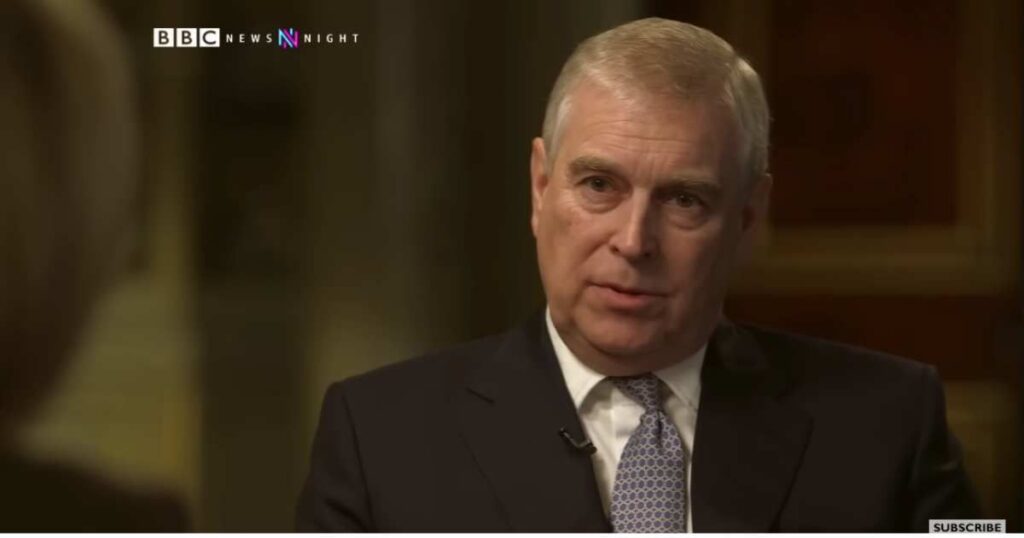
Prince Andrew has been ordered to surrender the lease on a royal cottage near Windsor Castle, adding another chapter to the ongoing fallout surrounding the disgraced royal.
The property, known as East Lodge, is a small thatched-roof cottage located just a few miles from Windsor. According to recent reports, the Crown Estate directed Andrew to give up the lease in March 2026, ending an arrangement that dates back nearly three decades.
Andrew began renting the property in 1998, when it was reportedly used to house a member of his staff. Though modest compared to larger royal residences, the cottage holds a valuable location near Windsor and Ascot, making the lease arrangement increasingly controversial in recent years.
Unlike many royal residences, East Lodge is not privately owned by members of the royal family. Instead, it belongs to the Crown Estate — the vast property portfolio held in trust for the monarchy. The estate includes some of Britain’s most famous properties, including Buckingham Palace and Kensington Palace.
Despite its relatively small size, East Lodge attracted attention because Andrew reportedly paid what is known as a “peppercorn rent.” When the lease began, the annual cost was around $5,750, rising to roughly $17,000 by 2025 — far below market value for comparable properties in the area.
For comparison, similar two- or three-bedroom homes near Windsor can cost up to $10,000 per month, meaning Andrew’s lease likely saved hundreds of thousands of dollars over the 27 years he held it.
The decision to end the lease comes amid mounting scrutiny surrounding Andrew’s finances, royal privileges, and his past association with convicted sex offender Jeffrey Epstein.
The controversy has also prompted renewed political attention toward royal property arrangements. Members of the UK Parliament have announced plans to review how royal residences are leased and managed, with an inquiry expected to begin later in 2026.
The investigation will focus on whether these arrangements provide proper value for taxpayers, particularly when royal family members are granted access to valuable real estate under special terms.
Andrew has already stepped back from official royal duties and lost several titles and roles in recent years. Now, with the loss of East Lodge as well, his presence within the royal property network appears to be shrinking further.
As scrutiny of the monarchy’s finances and property holdings continues to grow, Andrew’s long-held lease has become another flashpoint in the broader debate over transparency and royal privilege.