Why King Charles Cannot Remove Prince Andrew From the Line of Succession, Royal Author Says
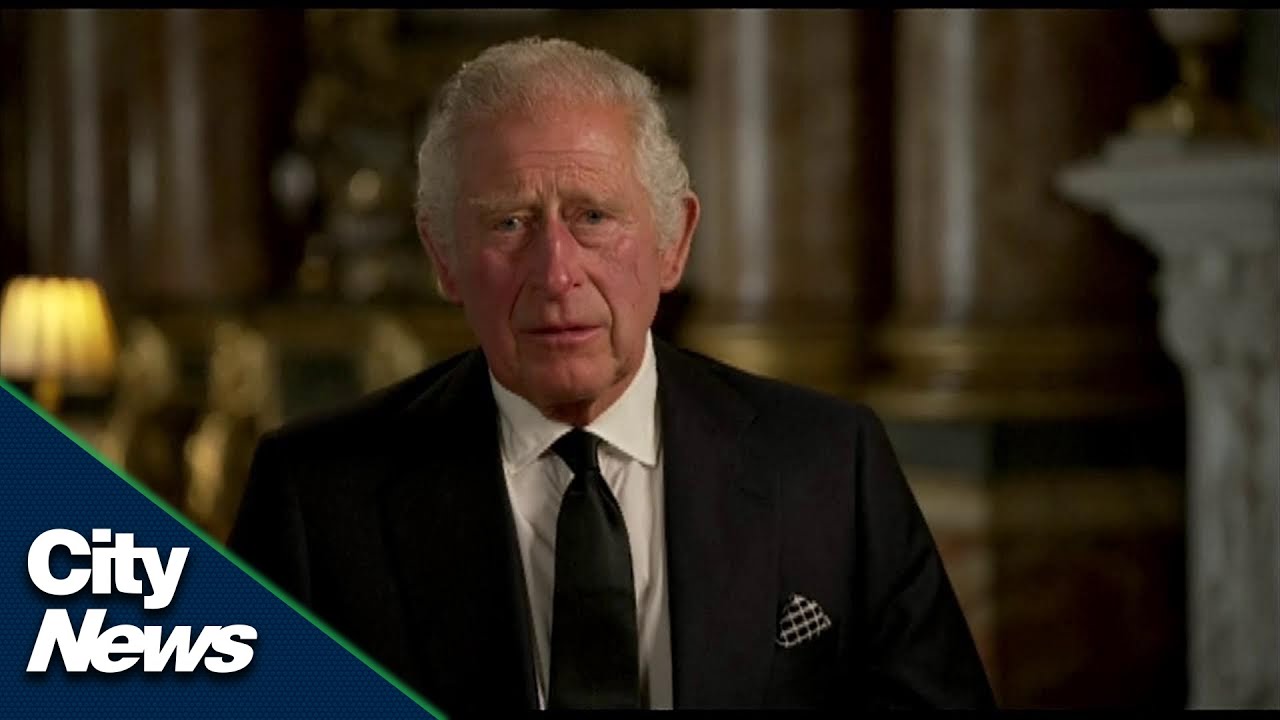
King Charles has limited Prince Andrew’s public role and stripped him of a string of royal honours, but a new analysis says the monarch cannot simply erase his brother’s place in the order of succession. Royal author Robert Jobson argues that, as debate continues over Prince Andrew’s position and his future living arrangements, the King’s scope for further action is constrained by constitutional law.
Hello Magazine reported that removing Prince Andrew from the line of succession would require an Act of Parliament, and—under the Statute of Westminster—matching legislation across the 15 Commonwealth realms where the British monarch remains head of state.
In the piece, Mr Jobson notes that critics calling for tougher measures face the reality that succession changes are not matters of royal decree. He argues that reopening succession law could trigger prolonged parliamentary debate and damaging headlines, and that there is no modern precedent for forcibly expelling an individual from the British line of succession.
Jobson also points to the separate issue of Counsellors of State, writing that Prince Andrew’s eligibility flows from his place in the succession, while legislation in 2022 added other working royals to ensure duties would not fall to non-working members. The ongoing discussion comes as attention remains on Andrew’s housing situation, including the reported complexities around any move from Royal Lodge.
For now, the assessment suggests King Charles’s approach has been to reduce Andrew’s prominence while leaving the constitutional order intact—reflecting the limits placed on a modern monarch and the political hurdles involved in altering succession rules across multiple parliaments.